
Is your iPhone refusing to charge, leaving you in a state of panic? You’re not alone. A broken charger port can turn your trusty device into an expensive paperweight faster than you can say “low battery.” Before you start contemplating a life without your favorite apps, it’s time to investigate the culprit lurking in your charging port.
Common Signs of a Broken Charger Port
Identifying a broken charger port is crucial for iPhone users. Several signs indicate a need for further inspection.
Inconsistent Charging
Inconsistent charging often indicates problems with the charger port. Devices may charge intermittently or require specific positions to connect. Users may notice that the battery does not charge despite being plugged in for an extended period. Dependence on shifting the cable or connector to get a charge reflects underlying issues. Checking the charging cable and accessories can help rule out external factors.
Physical Damage
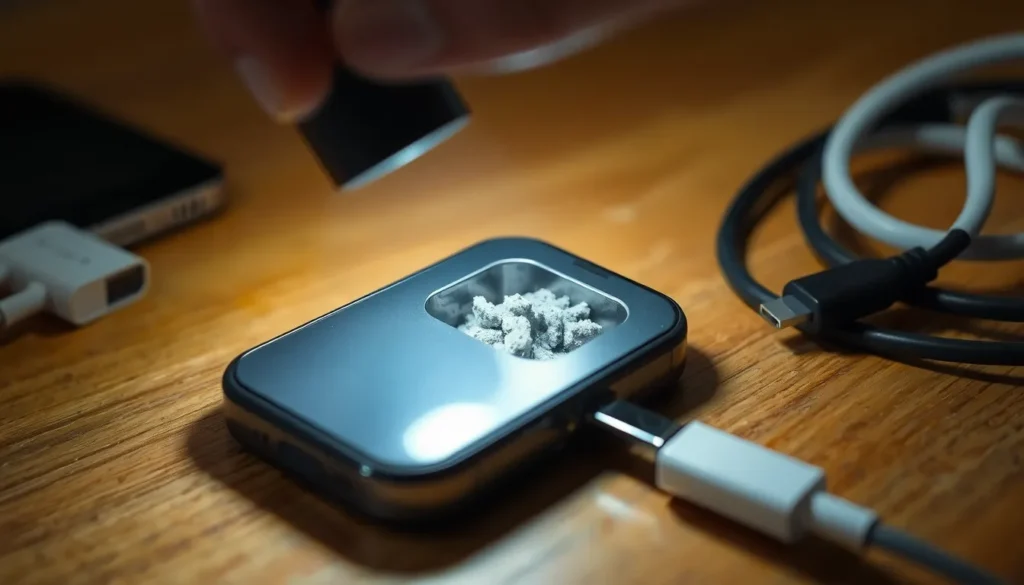
Physical damage often reveals serious issues with the charger port. Users may identify cracks, bends, or debris within the port, which can impede proper contact. Observing noticeable wear or corrosion can further signal problems. Frequent disconnections while charging or feeling excessive looseness when inserting the lightning connector suggests a need for assessment. Even minor damage can affect charging functionality.
Connection Issues
Connection issues frequently occur with a malfunctioning charger port. Users may experience disconnections during charging, reflecting an unreliable connection. A loose-fitting cable might fall out easily, indicating port damage. Visual inspections can show lint or dust; removing debris often improves connectivity. If the device fails to recognize the charging accessory, further investigation is necessary.
Troubleshooting Steps
Follow these steps to determine if the charger port on an iPhone is malfunctioning. Conducting a thorough assessment can clarify the issue and guide potential solutions.
Inspecting the Charger Port
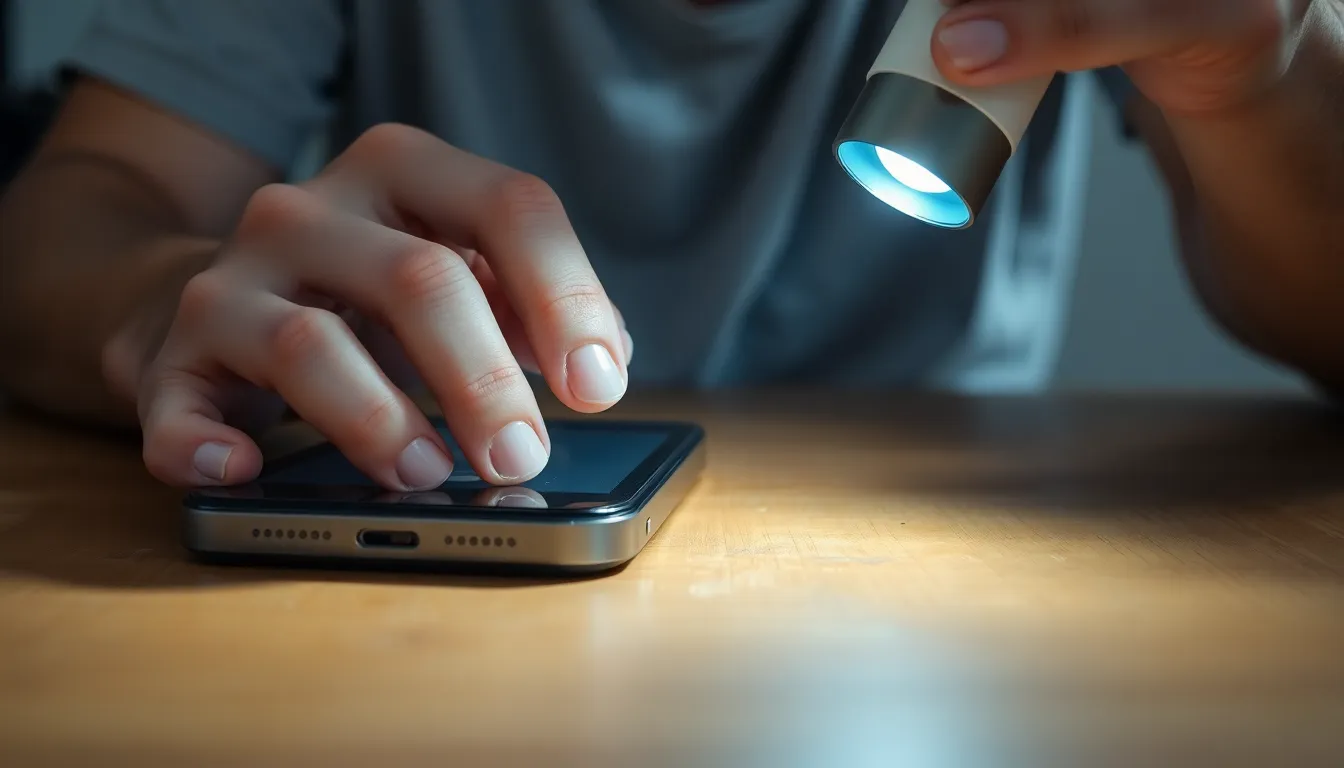
Start by examining the charger port closely. Look for any visible debris that may obstruct connections. Cracks and signs of physical damage should also be noted. Using a flashlight can help illuminate the port, making it easier to spot issues. Clean out the port gently using a toothpick or a soft brush, taking care not to cause further damage. Ensuring a secure fit when plugging in the charger is crucial, as a loose connection can lead to inconsistent charging.
Testing with Different Chargers
Try using different charging cables and adapters. A frayed or defective cable may cause problems, so testing with known working accessories is essential. Switching between Apple-certified and third-party chargers can reveal inconsistencies in performance. Observe how the device responds with each charger; this can help identify if the problem lies within the port or with the charging accessories. Ensure the charging source is a working outlet or a powered USB port for accurate results.
Checking for Software Issues
Investigate software settings that might affect charging. Restarting the device often resolves temporary software glitches. Navigate to Settings and check for any available updates, as outdated software can create compatibility issues. Ensure that the device isn’t set to low power mode, which may limit charging performance. Performing a reset of all settings can also help, but be cautious, as this may alter some personal configurations. Identifying software conflicts can clarify if the charger port functions correctly.
When to Seek Professional Help
Recognizing when to consult a professional for charger port issues can prevent further damage. Severe damage often requires expert intervention.
Signs of Severe Damage
Severe damage may include visible cracks around the charger port. An unusually loose charging cable also signals a major issue. Additionally, if the device fails to charge consistently despite clean connections, further evaluation becomes necessary. Signs like these often indicate internal issues that basic troubleshooting won’t resolve. It’s critical to address these situations quickly to avoid complications.
Warranty Considerations
Warranties can significantly impact decisions regarding repairs. Many iPhones come with a limited warranty that covers manufacturing defects. Users should examine the warranty terms to determine if charger port repairs fall under coverage. Additionally, opting for authorized service centers ensures warranty validity. If the device is still under warranty, pursuing a professional assessment often proves beneficial, especially for cost considerations.
Preventive Measures
Maintaining the integrity of the charger port can extend the life of an iPhone. Regular care can help prevent future problems and enhance charging efficiency.
Regular Cleaning Tips
Cleaning the charger port several times a month can remove dust and debris. Use a flashlight to inspect the port thoroughly for any obstructive particles. Gently inserting a toothpick or a soft brush can dislodge dirt without causing damage. Users should avoid using liquids, as they can create additional issues. Keeping a lint-free cloth handy can assist in cleaning the exterior of the device, which can prevent additional dirt from entering the port.
Avoiding Common Charging Mistakes
Avoid forcing the charging cable into the port, as this action may cause damage. Instead, ensure the cable aligns correctly with the port before inserting it. Users must also refrain from yanking the cable out forcefully; instead, they should remove it gently to prevent stress on the connections. Storing the charging cable properly reduces wear and tear; rolling it loosely prevents tangling and strain. Finally, featuring a certified charging accessory helps in ensuring compatibility and reliable charging experiences.
Determining whether an iPhone’s charger port is broken is essential for maintaining device functionality. By paying attention to signs like inconsistent charging and physical damage users can take proactive steps to diagnose the issue. Regular inspection and cleaning can prevent minor problems from escalating into major repairs.
When troubleshooting doesn’t yield results or severe damage is evident seeking professional help is crucial. Understanding warranty options can also save users from unexpected costs. With proper care and awareness users can extend the life of their charging ports and ensure their iPhones remain reliable companions.


