

In today’s fast-paced world, the term “culture hustle” has become the secret sauce for success. It’s not just about working hard; it’s about blending passion with purpose in a way that makes people sit up and take notice. Imagine turning your creative flair into a thriving venture while juggling a million tasks like a circus performer on a unicycle—impressive, right?
Understanding Culture Hustle
Culture hustle intertwines creativity with strategic thinking. It embodies the pursuit of personal passion while navigating the demands of modern society.
Definition and Origin
Culture hustle refers to the blend of creative expression and entrepreneurial spirit. Originating in the early 21st century, this concept emerged from the creative industries as individuals sought ways to monetize their talents. It challenges conventional work paradigms by embracing flexibility and adaptability. Artists, musicians, and writers exemplify this fusion, finding innovative pathways to success. By recognizing the importance of personal brand and influence, culture hustle reshapes how individuals approach their careers.
Key Concepts and Principles
Culture hustle thrives on key concepts that underline its essence. Adaptability encourages individuals to pivot in response to market demands. Networking holds significant value, as connections often lead to collaborative opportunities. Authenticity drives engagement, with personal storytelling resonating with audiences. Moreover, resilience ensures individuals overcome challenges and setbacks. Finally, integrating feedback fosters growth and refinement in one’s craft. Each principle reinforces the dynamic landscape of culture hustle, enabling creators to flourish in their endeavors.
The Importance of Culture Hustle
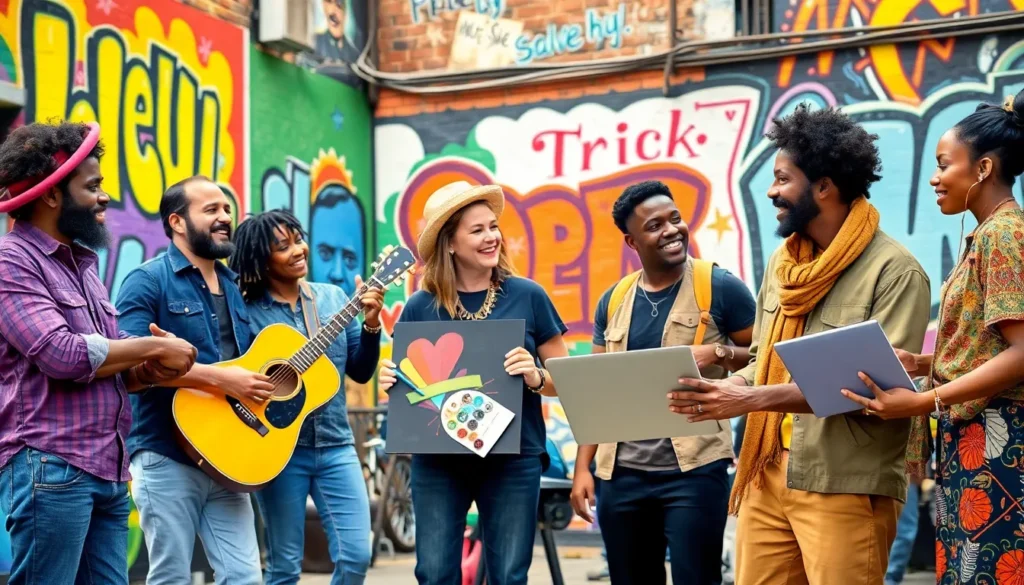
Culture hustle significantly influences success in creative fields, enhancing both innovation and collaboration. It reshapes traditional career paths, allowing artists and creators to thrive in competitive environments.
Impact on Creative Industries
Culture hustle fuels growth within creative industries. Artists leverage this mindset to explore diverse revenue streams, such as merchandise, online classes, and sponsored content. Musicians often turn to social media for direct engagement, building loyal fan bases while promoting their work. Writers embrace self-publishing as a viable alternative to traditional publishing, expanding their reach and control over creative output. This dynamic approach encourages collaboration, enabling creators to form partnerships that enhance visibility and impact in their respective fields.
Role in Social Change
Culture hustle drives social change by amplifying marginalized voices. Creators often use their platforms to advocate for social justice, raising awareness around critical issues. This form of expression fosters a sense of community among activists and artists alike. Through impactful storytelling, individuals ignite conversations surrounding equity and inclusion. By integrating cultural elements into their projects, they inspire others to respond to societal challenges, generating movements that challenge existing norms.
Strategies for Successful Culture Hustling
Successful culture hustling requires strategic approaches for optimal outcomes. Key elements such as brand development and networking play crucial roles in fostering creative growth.
Building Your Brand
A strong brand cultivates a unique identity. Start by defining personal values that resonate with target audiences. Consider developing a compelling story that captures attention. Use social media platforms to showcase work consistently. Engaging design elements enhance visual appeal, while authenticity draws followers. Create value-driven content that speaks directly to audience needs. Build a community around shared interests, inviting interaction through questions and discussions. Delivering consistent messaging strengthens recognition and trust.
Networking and Collaboration
Networking fosters valuable connections. Attend industry events to meet like-minded creatives. Building relationships opens doors to collaborative projects, enhancing innovation. Leverage online forums and social media to connect with influencers and peers. Consider reaching out for mentorship opportunities; guidance from experienced individuals can provide insights. Collaboration promotes skill-sharing and amplifies creative output. Establishing a diverse network encourages exposure to different perspectives, enriching projects. Foster genuine relationships through consistent engagement and support, leading to meaningful partnerships that drive growth.
Challenges and Criticisms
Culture hustle faces various challenges and criticisms that merit exploration. Understanding these aspects contributes to a more comprehensive view of the concept.
Misunderstandings and Stereotypes
Misconceptions about culture hustle often persist. Many view it as a fleeting trend rather than a viable career path. Some believe that culture hustlers lack professionalism, equating flexibility with instability. Others stereotype creatives as solely driven by passion, neglecting the strategic, business-oriented skills required. This oversimplification fails to recognize the multitude of talents involved in navigating today’s marketplace. The reality reflects a blend of hard work, perseverance, and innovative thinking that distinguishes successful culture hustlers.
Sustainability Concerns
Sustainability concerns present significant challenges within culture hustle. The pressure to constantly produce can lead to burnout, affecting artists’ mental health. Additionally, some revenue streams, such as merchandise production, raise questions about environmental impact. Creatives often grapple with finding a balance between financial gain and ethical practices. Engagement in the gig economy may also contribute to job instability, resulting in inconsistent income. Addressing these issues requires a commitment to sustainable practices that align with both personal values and audience expectations.
Culture hustle represents a transformative approach to creativity and entrepreneurship. By merging passion with purpose individuals can navigate the complexities of modern career landscapes. This mindset not only fosters innovation but also encourages collaboration among diverse creators.
As the creative economy evolves the principles of culture hustle will continue to redefine success. Embracing adaptability authenticity and resilience empowers artists to thrive while addressing societal challenges. Ultimately culture hustle isn’t just a trend; it’s a movement that champions the voices of those who dare to dream and disrupt the status quo.


